
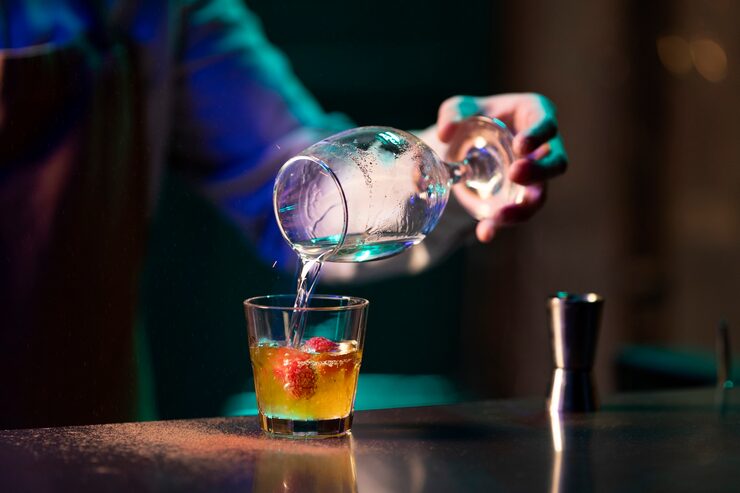
Quick Answer: Non-alcoholic spirits have moved from a niche substitute to a genuine bar menu category because they’re now formulated to replicate the complexity of gin, whiskey, or aperitifs through botanical distillation rather than simply removing alcohol from an existing recipe, giving bartenders something real to build a cocktail around.
Why This Isn’t Just Old Mocktail Culture Rebranded
Traditional mocktails were largely built around juice, soda, and syrup, aiming for something sweet and simple rather than something that mimicked the actual character of a spirit. Modern non-alcoholic spirits instead go through processes like botanical distillation to extract the aromatic and flavor compounds that give gin its juniper bite or whiskey its smoky depth, without extracting the alcohol along with them.
What’s Actually Driving Demand
- A generational shift in drinking habits: younger drinkers report drinking less alcohol overall than previous generations at the same age, while still wanting the social ritual and complexity of a well-made drink.
- Sober-curious and moderation trends: many people aren’t cutting out alcohol entirely but are choosing to skip it on specific nights, which has created steady demand for a genuinely good option rather than just water or soda.
- Bars see a real margin opportunity: a well-made non-alcoholic cocktail can be priced close to its alcoholic counterpart, giving venues an incentive to invest in the category rather than treating it as an afterthought.
How Bartenders Are Actually Using Them
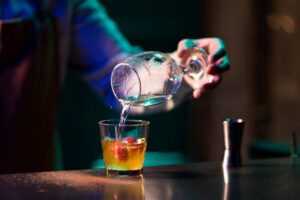
Rather than a simple swap, many bars now treat non-alcoholic spirits as their own ingredient category, building dedicated menus around them with the same attention to balance and garnish as a traditional cocktail list. Layering a non-alcoholic aperitif with a small amount of shrub or bitters has become a common technique for adding the bitterness and complexity that alcohol would otherwise contribute.
Where the Category Still Has Limits
Replicating the mouthfeel and warming sensation alcohol provides remains a genuine challenge that no non-alcoholic spirit has fully solved, which is part of why the best versions lean into distinct botanical character rather than trying to be an exact one-to-one replacement. Price is also a real sticking point — many premium non-alcoholic spirits cost close to what a mid-range alcoholic spirit does, which can be a hard sell for a product people expect to be cheaper simply because it lacks alcohol.
What to Look for When Trying One
Checking whether a brand uses actual botanical distillation versus simply blending flavorings into a base liquid is the clearest way to judge quality, since the two approaches produce noticeably different results in a finished drink. Starting with a category the drinker already enjoys — a gin alternative for someone who likes gin, rather than a random pick — tends to produce a better first impression than treating all non-alcoholic spirits as interchangeable.
For broader context on drinking trend data, Gallup’s ongoing research on alcohol consumption habits is a useful independent resource.