


When it comes to creating magic in the kitchen, having the right cooking tools is essential. Among the most important of these tools are Japanese chef knives, renowned for their sharpness, craftsmanship, and versatility. Whether you’re a home cook or a professional chef, understanding the different types of Japanese knives-and how to choose the best steel chef knife-can transform your culinary experience. Let’s dive into the fascinating world of Eastern knife-making, from the iconic Santoku to the versatile Gyuto, and discover expert tips for selecting the perfect blade for your kitchen.
The Ancient Art of Japanese Knife-Making
Japanese knife-making is a tradition that dates back centuries, rooted in the same techniques once used to forge samurai swords. These methods have been refined over generations, resulting in cooking tools that are both beautiful and highly functional. Japanese knives are celebrated for their sharpness, balance, and ability to hold an edge, making them a favorite among chefs worldwide. The use of high-carbon steels like VG-10, known for durability and resistance to corrosion, has further elevated the reputation of Japanese knives as some of the best steel chef knives available.
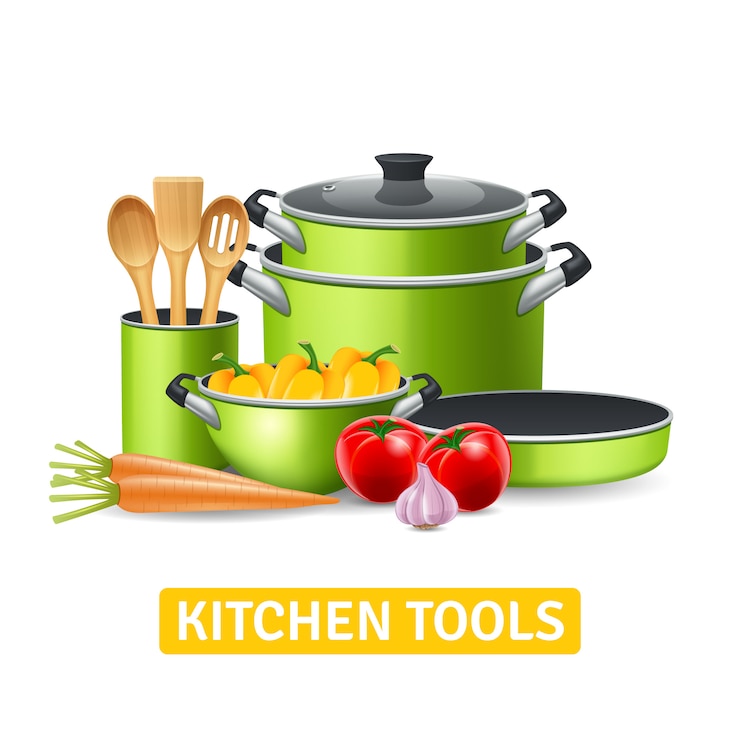
Japanese Chef Knife Types: The Ultimate Cooking Tools
Japanese knives are not just ordinary kitchen implements; they are precision cooking tools designed for specific tasks. Here’s a closer look at some of the most popular types:
Santoku: The All-Purpose Performer
The Santoku, meaning “three virtues,” is a versatile knife perfect for slicing, dicing, and mincing. Its broad, slightly curved blade makes it a go-to cooking tool for a variety of kitchen tasks. The Santoku’s design, with a sheepsfoot tip and flatter edge, allows for precise, straight-down cuts and easy transfer of food from the cutting board to the pan.
Gyuto: The Japanese Chef’s Knife
The Gyuto is Japan’s answer to the Western chef’s knife, but with a thinner, lighter build and a subtly curved tip. This makes it an exceptional cooking tool for finely cutting fish, meats, and vegetables. The Gyuto is prized for its versatility and precision, and when crafted from high-carbon or VG-10 steel, it stands out as one of the best steel chef knives for all-purpose kitchen work.
Nakiri: The Vegetable Specialist
For those who love working with fresh produce, the Nakiri is an indispensable cooking tool. Its straight blade and squared-off tip are designed for clean, consistent cuts, making it ideal for slicing vegetables. The Nakiri’s design reflects the historical importance of vegetables in Japanese cuisine and showcases the artistry of Japanese knife-making.
Damascus Knives: Beauty Meets Performance
Damascus knives are another example of exceptional Japanese cooking tools. Recognized by their distinctive wavy patterns, these knives are made by folding multiple layers of steel. This technique not only creates visually stunning blades but also combines hardness with flexibility, resulting in knives that are both beautiful and functional.
What Makes a Great Japanese Chef Knife?
When searching for the best steel chef knife to add to your collection of cooking tools, keep these expert tips in mind:
- Steel Quality: Opt for high-carbon steel or VG-10 for a sharp, long-lasting edge.
- Blade Style: Choose a blade shape that matches your cutting technique-curved for rocking motions, flat for straight-down chopping.
- Handle Type: Traditional Japanese handles are lighter and offer excellent balance, while Western-style handles provide a familiar grip.
- Weight and Balance: Japanese knives are typically lighter than Western knives. Test how the knife feels in your hand to ensure comfort and control.
- Maintenance: High-carbon blades require more care to prevent rust, while stainless options are lower maintenance but may not hold an edge as long.
Chef Knife vs. Santoku: Which Cooking Tool Should You Choose?
If you prefer a rocking motion and often work with larger ingredients, the Gyuto is likely your best bet. For those who value precision and lighter handling, the Santoku shines, especially for vegetable prep. Both are exceptional cooking tools that can elevate your kitchen game.
Japanese knives are more than just cooking tools-they are symbols of craftsmanship, tradition, and respect for the culinary arts. Master knife-makers dedicate decades to perfecting their skills, and cities like Seki remain at the heart of this storied tradition.
Find the Best Steel Chef Knife for Your Kitchen
From Santoku to Gyuto, Japanese chef knife types offer unparalleled performance and artistry. By understanding their unique features and choosing the right steel, you can find the best steel chef knife for your kitchen-one that will inspire creativity and elevate every meal. Whether you’re slicing sashimi or dicing vegetables, let the legacy of Eastern knife-making bring precision and joy to your collection of cooking tools.
From Santoku to Gyuto, explore Japanese chef knife types and find the best steel chef knife for your kitchen. Expert buying tips included.